The 2nd Grip (Best Boy Grip) is the person who makes sure the grip department actually works.
While the Key Grip focuses on the shot, the 2nd Grip is managing the systems behind it — crew coordination, rigging logistics, gear organization, and safety. If something is late, unsafe, or disorganized, it usually lands on the Second Grip to fix it before it becomes a problem on camera.
You may still hear this role called Best Boy Grip on some sets. That was the traditional title. Many crews now use Second Grip as a clearer, non-gendered name for the same position. The label has changed; the expectations have not.
This guide breaks down what the job really involves: how the department is run, what you’re responsible for during prep and shooting, and what separates a solid Second Grip from one who creates more problems than they solve.
The Second Grip is the right hand of the Key Grip — managing the crew, overseeing rigging and pre-light setups, coordinating with camera and lighting, and making sure the department runs like a machine.
If the Key Grip is the department’s creative lead, the Second Grip is its logistical backbone — handling scheduling, crew calls, equipment orders, and on-set organization.
It’s one of the most physically demanding and technically detailed jobs on set, balancing crew management, rigging safety, and constant problem-solving.
Key Responsibilities
1. Running the Crew
Assist the Key Grip in managing the grips — assigning builds, laying track, organizing rigging, and delegating tasks. On smaller productions, you’ll often work hands-on with the team.
2. Paperwork & Logistics
Time sheets, deal memos, equipment requests, truck inventories — it’s all on your plate. The paperwork may not be exciting, but it’s what keeps the department on budget and on schedule.
3. Crew Scheduling & Hiring
Help source additional grips, swing crew, or riggers as needed. Communicate constantly with production and other departments so everyone knows who’s working where and when.
4. Gear Management & Rentals
Track what’s coming in and out of the truck, arrange for additional grip gear, and ensure returns and exchanges are handled efficiently. Keep a close relationship with your rental house rep.
5. Pre-Rigging & Setup
Pre-rigging is where you shine — organizing builds for upcoming sets, laying dolly track, hanging diffusion frames, or prepping rigging points. The smoother the prep, the faster the shoot days go.
6. Acting as Department Liaison
The Key Grip can’t always attend every production meeting or handle every question. You often serve as the point of contact for ADs and producers, relaying updates and keeping communication clear.
7. Equipment Maintenance & Safety
Inspect gear daily, flag anything questionable, and stay strict about safety. As Second Grip, you’re responsible for ensuring your department’s rigs are solid and safe for camera and lighting to work around.
Skills You Need
Technical Knowledge
You’re expected to understand rigging, grip hardware, safety procedures, dolly systems, stands, and frames. Know your gear inside and out — speed rail, clamps, mounts, and modifiers.
Problem-Solving
Every day brings new physical puzzles. Can that light be safely rigged overhead? Can that diffusion hold in the wind? You’re expected to find quick, safe solutions under pressure.
Communication
Grips work in close collaboration with the Gaffer, DP, and camera team. Clear communication keeps people safe and prevents confusion between departments.
Attention to Detail
Your setups affect safety, framing, and efficiency. A crooked frame or uneven dolly track can ruin a shot — precision matters.
Prep & Production Meetings
Like lighting, the grip department usually gets a few prep days. Use that time to:
Read the script and understand each scene’s physical requirements. Watch reference materials from the DP or director. Attend production meetings to clarify rigging needs and logistics. Finalize the gear list with the Key Grip and rental house. Build a binder to track paperwork, schedules, and contact info.
Keep a printed calendar or whiteboard in your office or truck to stay on top of rig days, load-ins, and shoot days.
The Tech Scout
The scout is your best opportunity to plan rigging and movement before arriving on set.
During the scout:
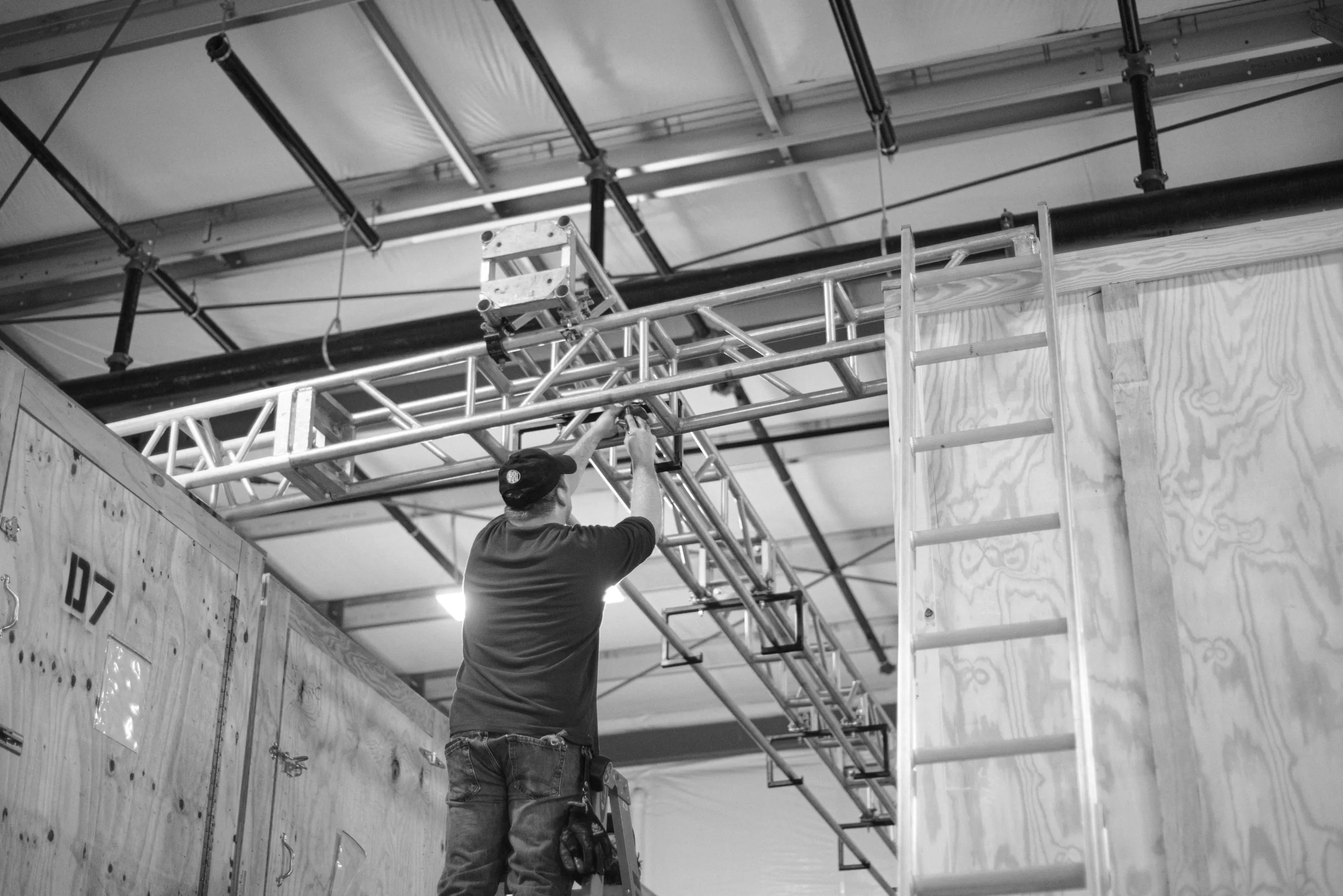
Study where lights and modifiers will need to be rigged. Determine if rigging will be from the ground, overhead, or vehicle mounts. Identify grip truck parking, staging, and equipment paths. Discuss special equipment needs — lifts, scaffolding, truss, etc. Coordinate with camera and lighting to plan overhead diffusion or negative fill setups. Take detailed notes, photos, and measurements.
Everything you document here becomes your roadmap for prep and shooting.
On Set as a Second Grip
Your first job of the day is staging gear and helping the Key Grip get the department operational.
You’ll coordinate track builds, overhead rigs, and modifier setups — while managing workflow and keeping communication open with the Gaffer, DP, and AD team.
Once the day is moving, balance paperwork, truck organization, and logistics. Stay ahead of the next setup — anticipate what the Key Grip and DP will need next.
When possible, send a small crew to pre-rig the next location or set. Even minor head starts can save production significant time.
Always monitor safety — no loose rigging, no unsecured diffusion, no sloppy knots. You’re the final check before the camera rolls.
Must Have Tools for 2nd Grips:
C-Wrench
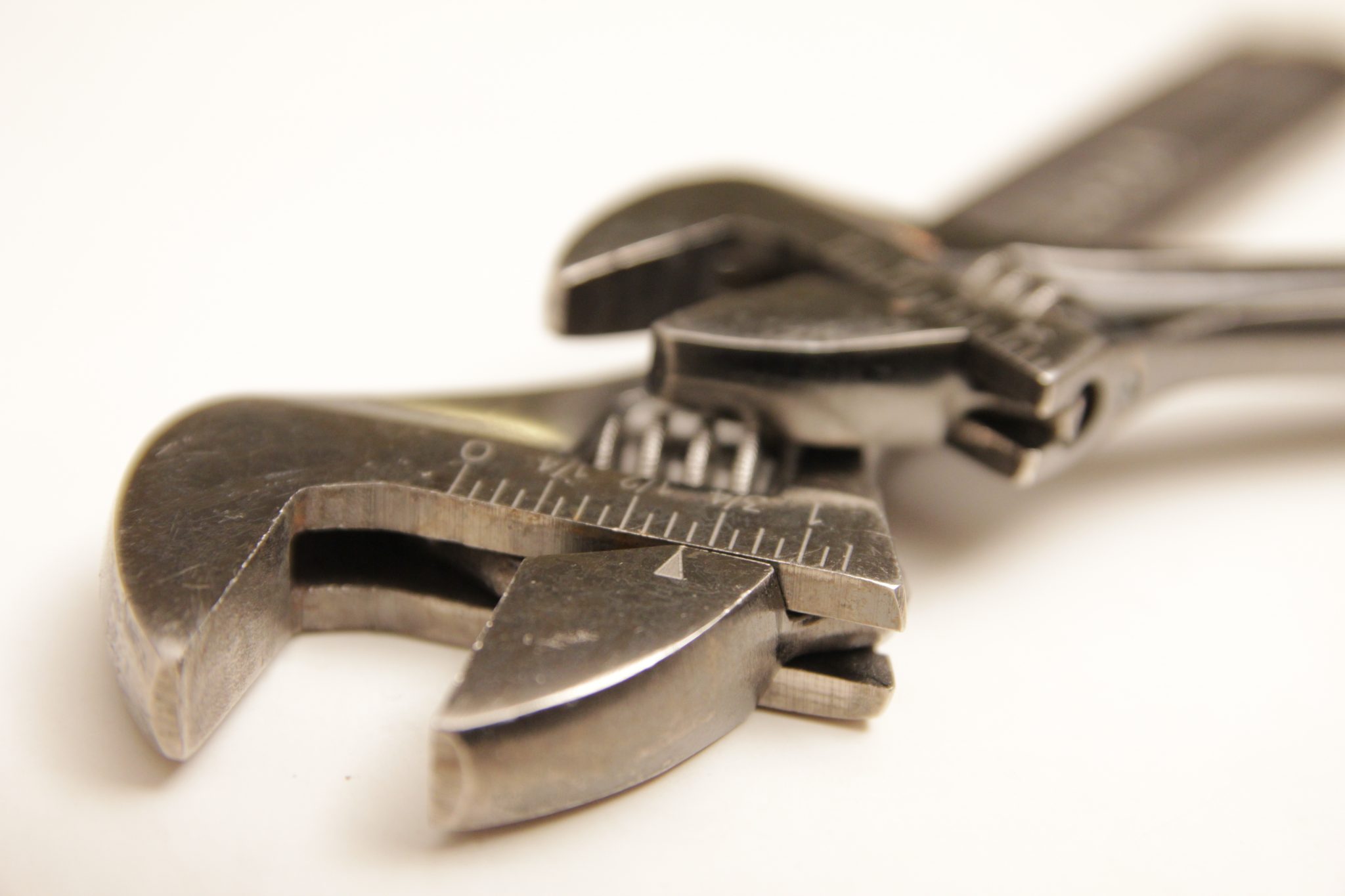
8 or 10 inch crescent wrenches are usually standard. If trying to be light weight look for a 6 inch crescent wrench with a wide jaw. You can even carry a smaller wrench if it makes sense.
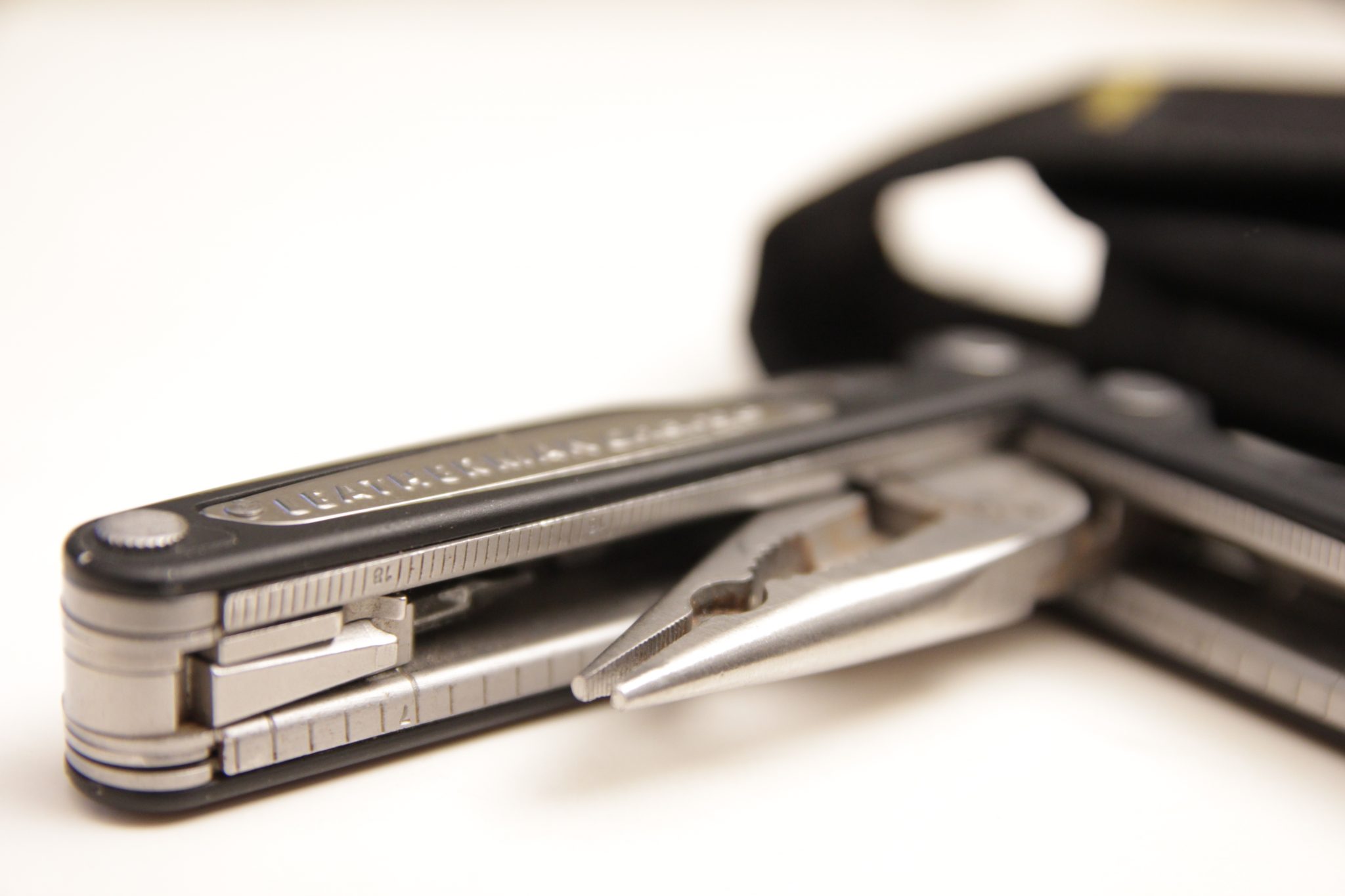
Leatherman is just about industry standard. Feel free to purchase a lower end multitool if you don’t want to spend too much, but be sure it can do everything you need.
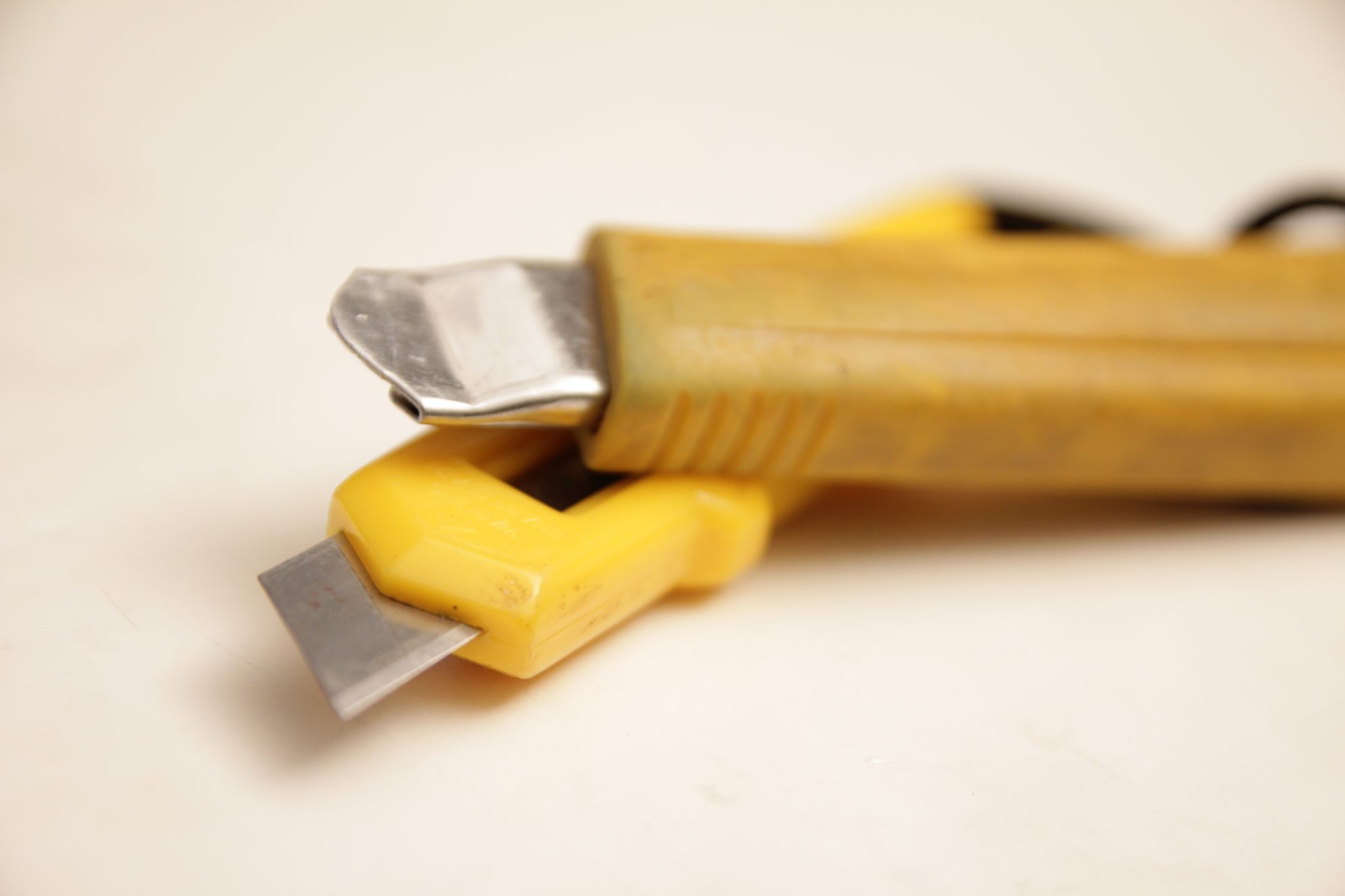
You’ll be using a knife everyday on set, so be sure to get some extra blades for it. Be careful though, they are razor sharp! There are two basic version, retractable and foldable.
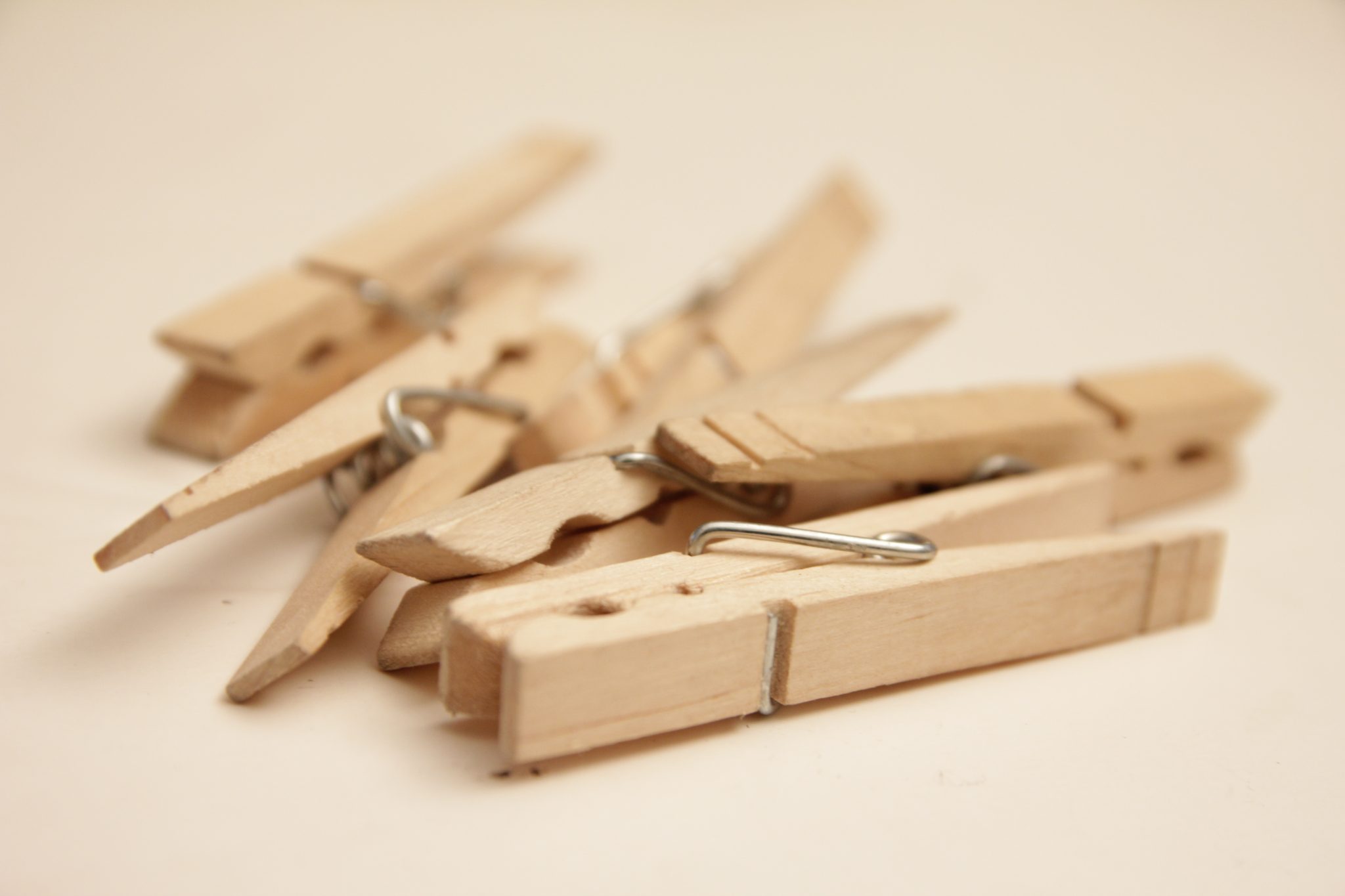
It didn’t make the main list of bonus because it is considered an expandable and is usually provided on most jobs. Clothes pegs are also an expandable, but they are so important to the job that they had to make the main list.
C-47s, Clothes Pegs, bullets, what ever you call them. Did you know you can pull one apart and use for very tiny precise leveling or flip them backwards (c-74) and use them to pull scrims out of hot lights? Get the heavy-duty ones, it’s worth it.
On many lower budget or indie jobs there will be no dolly grip and dolly responsibilities will fall on to the key grip. Imagine having to lay 24feet of dolly track quickly without a level. Check some out!
Measuring Tape
A major part of a grips job, use it to measure a window before cutting gel or plan out your dolly track before you start laying.
Measuring Tape on Amazon
Speed Wrench
Great for quick rigging, you won’t use it as often as some of the other tools, but definitely a must have.
The Best Boy Grip is one of the most crucial — and least understood — roles on set. You’re the connection between logistics and artistry, keeping the physical side of filmmaking running smoothly.
If you want to stand out, focus on efficiency, leadership, and safety. The best grips don’t just move fast — they think ahead, prevent problems, and make everyone else’s job easier.
We use cookies to ensure that we give you the best experience on our website. If you continue to use this site we will assume that you are happy with it.