

Last Updated 36 minutes ago
A detailed reference for the work behind a dependable camera department. Elkins covers preparation, crew responsibilities and supporting systems across film and digital production.
As an Amazon Associate I earn from qualifying purchases.

HTFS Verdict
A strong early purchase for aspiring camera assistants. The preparation methods, role explanations and reference material give the job useful structure. Buy it for that departmental foundation, with current equipment documentation and local crew practices alongside it.
- Best for: Camera trainees, second ACs and aspiring first ACs.
- Look elsewhere if: You primarily need lighting, composition or instructions for a specific current camera.
- Edition: Seventh edition (2020)
At a Glance
Strengths
- Gives first and second AC responsibilities substantial attention.
- Supports camera prep with checklists and reference material.
- Covers both film and digital department work.
Consider Before Buying
- 2020 camera and digital-technology details need updating.
- Procedures must be adapted to local crew practices.
- Its dense manual format demands patient reading.
A camera assistant has to make the equipment work as part of a production. That means knowing what is in the package, how it fits together, what the next setup will need and how to keep the department organised when plans change. Being able to talk about sensors is not enough.
David Elkins’s The Camera Assistant’s Manual is a strong investment because it treats that responsibility seriously. It gives aspiring crew a view of the whole job, including the preparation and routine work that make a camera department dependable.
Learn the Department Before You Chase the Title
The seventh edition moves through cinematography basics, camera-department roles and the work of trainees, second assistants, loaders and first assistants. This organisation helps a newcomer understand where they fit and what they are working towards.
That matters because the same equipment looks different depending on your responsibility for it. A director might see a way to get the shot. A camera assistant also has to think about the build, the changeover, the accessories, the support and the equipment’s condition when it is packed again.
Understanding the relationships between positions is useful early. A trainee who can see what the second AC is trying to accomplish has a better chance of offering relevant help. A second AC who understands the first AC’s priorities can anticipate the next demand. The book gives those working relationships a technical foundation.
Camera Prep Is Where the Value Starts
Preparation is one of the clearest reasons to buy an AC manual. The book and its supporting resources give attention to prep and checklists, helping turn a pile of equipment into a package someone can work with confidently.
The practical benefit is easy to recognise. Finding a missing cable while there is still access to the rental house is a different problem from discovering it after the unit has travelled to a location. Likewise, a build that powers up is only the beginning. The camera has to function with the lenses, accessories and operating arrangements the production intends to use.
This is where a broad reference helps a beginner develop better questions. What needs to be present? What needs checking? What is the plan when the configuration changes? A checklist provides structure, while understanding the purpose behind it keeps the process from becoming a box-ticking exercise.
For a low-budget filmmaker who owns the camera, the same thinking has value. Familiarity with a body does not automatically mean the whole shooting package is ready.
First and Second AC Work Both Get Proper Attention
Elkins gives the first and second assistant roles their own substantial sections. That is useful because they involve different responsibilities, and newcomers can easily underestimate the work happening around the most visible task.
The second AC’s contribution reaches beyond putting a slate in front of the lens. Organisation, information and timely support help the camera department maintain a workable rhythm. On a busy day, reliable systems make it easier for other crew to find what they need and understand what has happened.
For the first AC, focus sits inside a wider technical responsibility for the package and its operation. Good preparation and clear communication support the concentration the role demands. A manual can explain the moving parts of that job even though physical judgement and speed develop through experience.
This broader view makes the book particularly useful as you progress. A trainee may initially use it to understand terminology and expectations, then return to different sections when taking on more responsibility. You do not have to outgrow it after learning the first few tasks.
Film Coverage Is Part of the Appeal
The seventh edition covers film and digital work. It also includes a specifically identified chapter on problems and troubleshooting in film productions, alongside digital-camera reference material. Buyers should understand that balance before ordering.
For anyone interested in working with motion-picture film, that material is a substantial advantage. Film stocks, camera mechanisms, magazines and loading involve knowledge that a digital-camera tutorial is unlikely to supply. The author’s companion resources also include selected camera and magazine threading diagrams.
For a digital-only beginner, the film sections may initially feel less urgent. They still explain part of the department’s vocabulary and working history, but there is no need to pretend every page has equal immediate relevance to every job. The value depends on where you want to work.
The important distinction is between a broad professional reference and documentation for a specific camera. Elkins supplies the former. The current camera manual remains the right place for the exact functions and requirements of that body.
The Reference Material Helps It Stay Useful
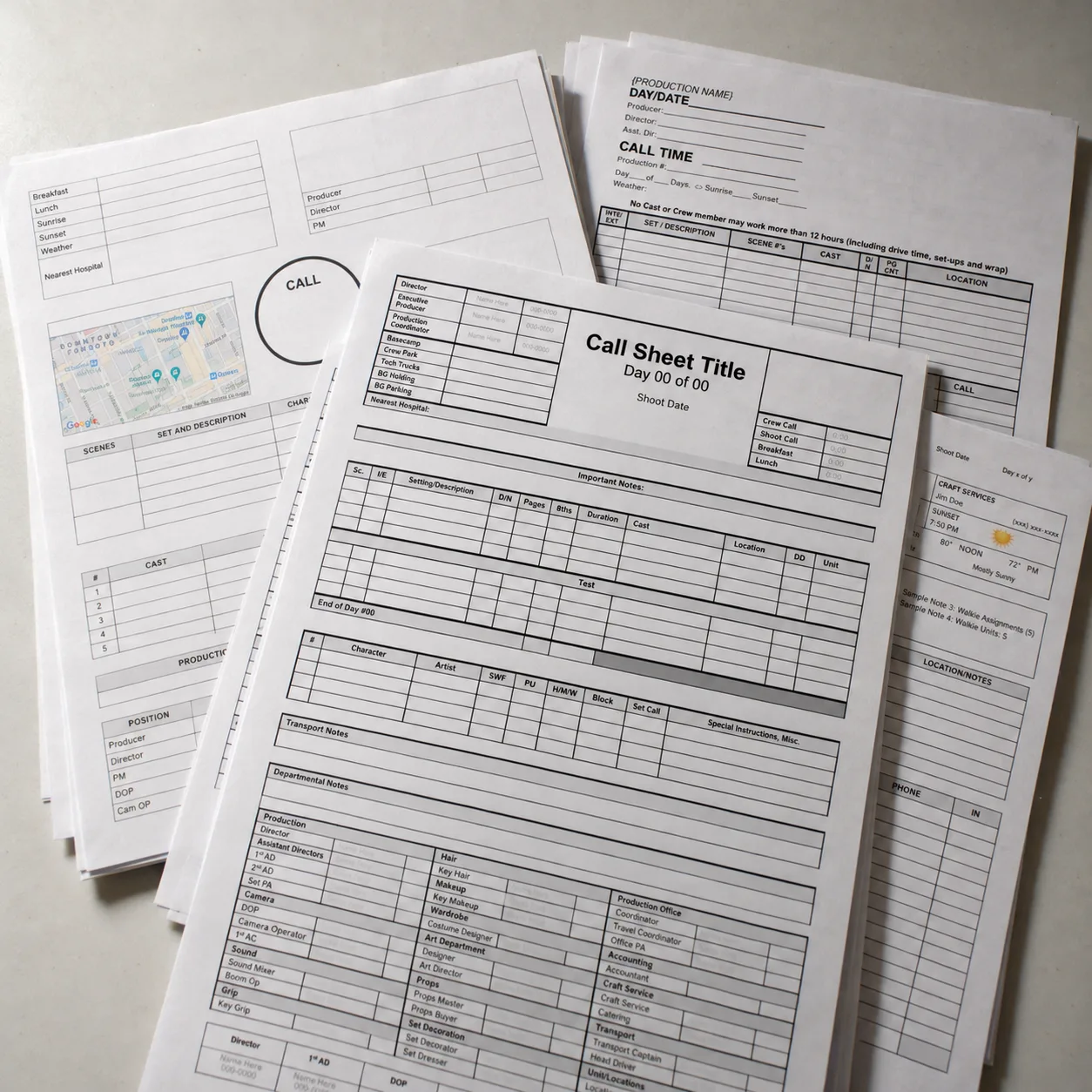
Checklists, forms, labels, tools, tables and formulas are part of the manual’s supporting structure. This is the kind of material that can make a book worth keeping after its introductory explanations become familiar.
A reference does not have to be read from the first page to the last every time you need something. Its value grows when you can return to a particular responsibility or technical concept with a real production question in mind. The answer has more meaning once you understand the situation it belongs to.
The companion website is also part of the book’s offering, with resources such as downloadable forms and selected reference material. Treat those as support for the manual’s contents. The book should still justify its place on the shelf through the explanation and organisation it provides.
For students, that structure can connect classroom terminology to the tasks discussed on a set or at a rental house. For junior working crew, it can help identify gaps that isolated equipment tutorials leave behind.
The Limits Are Clear
This is the seventh edition, published in 2020. Its model references and digital-technology details cannot cover everything introduced since. Buy it for the working methods and technical foundation, then use current documentation for the equipment on your job.
Production practices also vary. The edition explicitly discusses differences between the United States and the UK, but a book cannot prescribe every crew’s division of responsibility. The useful response is to understand the purpose of a procedure and learn how the department you join applies it.
The writing is a manual’s writing. Readers looking for a fast, inspirational account of cinematography may find it dense, and experienced crew will recognise material they already know. That does not weaken its value for the intended reader. Detail is a reason to buy a job reference; it is also a reason to choose the right job reference.
Who Should Buy It First?
Camera trainees and aspiring second ACs are the clearest buyers. The manual gives them a way to understand the department before every term and task becomes familiar through repetition. Aspiring first ACs benefit from the broader view of preparation, equipment and responsibility.
It also makes sense for small-crew filmmakers whose camera work has become more demanding. Once a project involves a more complicated package, more people or tighter changeovers, having a systematic approach matters.
A cinematography book can help develop your visual choices. This book helps you understand the department that has to execute those choices reliably. If that is the work you want to do, The Camera Assistant’s Manual is a focused purchase with useful depth. It belongs on the shelf early enough to help shape your habits, and it can stay there as the jobs get bigger.
My Rating: 4.5/5 Stars!
What Other People Are Saying
The strongest recommendations concern the job itself: understanding responsibilities, arriving prepared and having a reference when the work becomes more demanding.
Lindsey on Goodreads, September 2024
Lindsey recommends the manual to aspiring ACs and people working on very small independent productions who need to understand their camera equipment. The reader also credits it with helping on several jobs. It is a short review, but it supports a specific reason to buy: practical help with camera-department responsibilities, beyond simply learning specifications.
Reddit, r/focuspuller, November 2023
In a thread about becoming a better camera assistant, one respondent calls the book useful while warning that some methods differ in parts of Europe. The same comment encourages learning from experienced local first ACs and rental houses. That is a fair recommendation with context: Elkins can explain the work, while the department you join will determine exactly how it is organised.
Tom Ackerman, ASC, publisher endorsement for the seventh edition
Ackerman recommends the seventh edition to working camera crew as well as people trying to enter the department. His endorsement emphasises the breadth of the updated reference. This is a publisher-selected professional endorsement, rather than a customer review, and it describes the book's strongest use well: a substantial departmental manual that remains useful beyond the first few trainee calls.
Buying Advice
For an aspiring AC, a reference that explains the whole job is a better first investment than collecting isolated camera tips. This is a book to keep as your responsibilities grow.
Seventh edition (2020), Routledge. Paperback ISBN 9781138323353. Check the edition, format and condition before ordering.
The Amazon link is for the edition discussed here. Check the format and condition before ordering.